
Troubleshooting
Espresso That Runs Too Quick or Too Slow
Espresso shots run on a tight window. A well-pulled shot typically extracts in twenty-five to thirty seconds, pulling roughly twice the weight of the dry coffee in liquid volume. A shot that runs faster — finishing in fifteen or twenty seconds — has extracted less, and the cup tends to land brighter, thinner, and sometimes sour. A shot that runs slower — taking forty seconds or more — has extracted further, and the cup tends to feel heavy, bitter, or astringent.
The primary adjustment is grind. A finer grind increases resistance to the water, slowing the flow and allowing more extraction. A coarser grind reduces resistance and speeds the shot. Small shifts in grind produce large shifts in pull time, which is why espresso grinders are designed with finer increments than filter grinders.
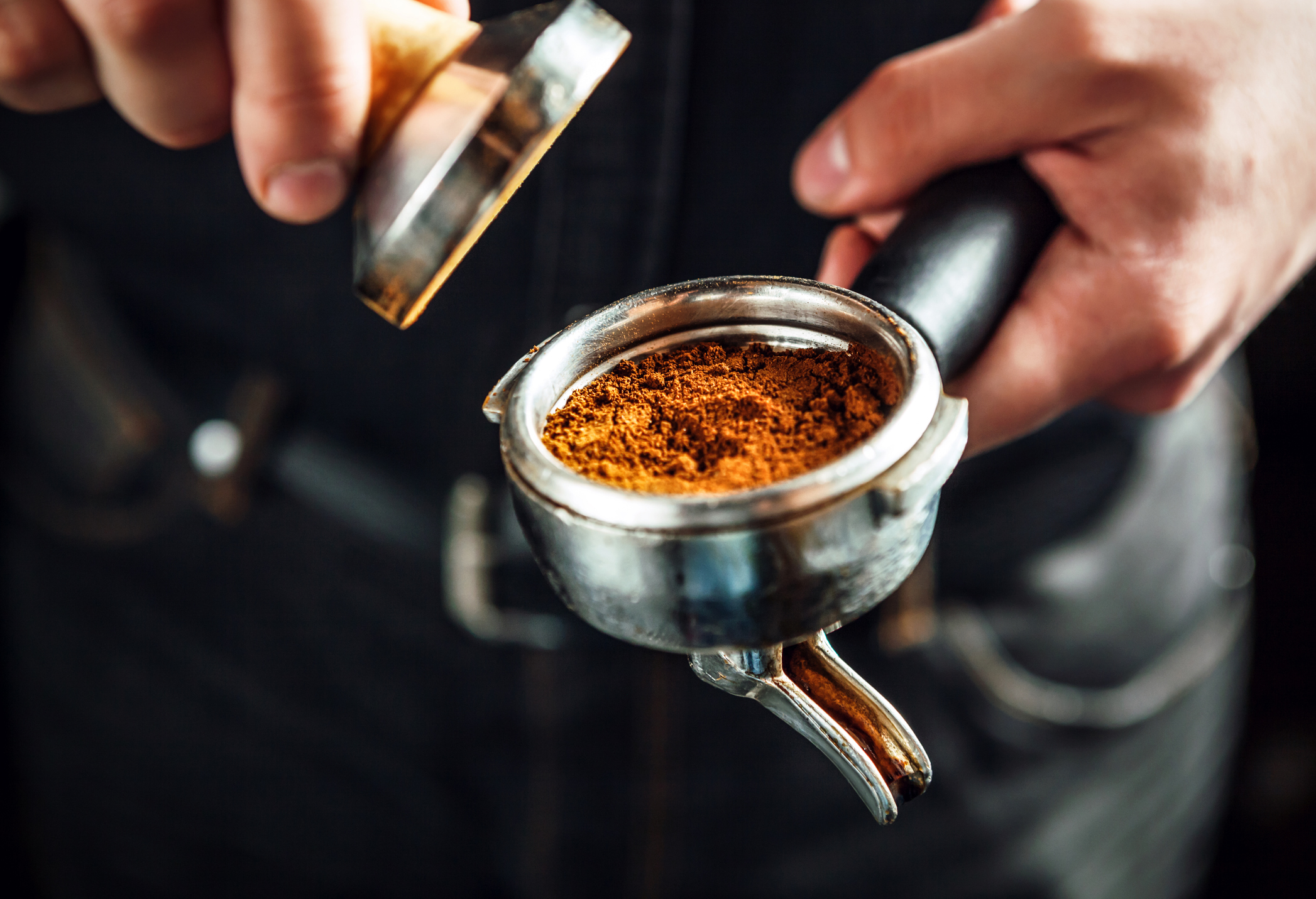
Other variables refine from there. Dose — the amount of coffee in the basket — influences pull time and body. Tamping pressure shapes how evenly the water moves through the bed. Temperature and pressure on the machine itself contribute their own signatures. Café de Volcán treats espresso as the most precise brewing conversation, where small grind adjustments produce the clearest differences in the cup.