
Quality Standards
Defects in Coffee: What Graders Look For in Green Beans
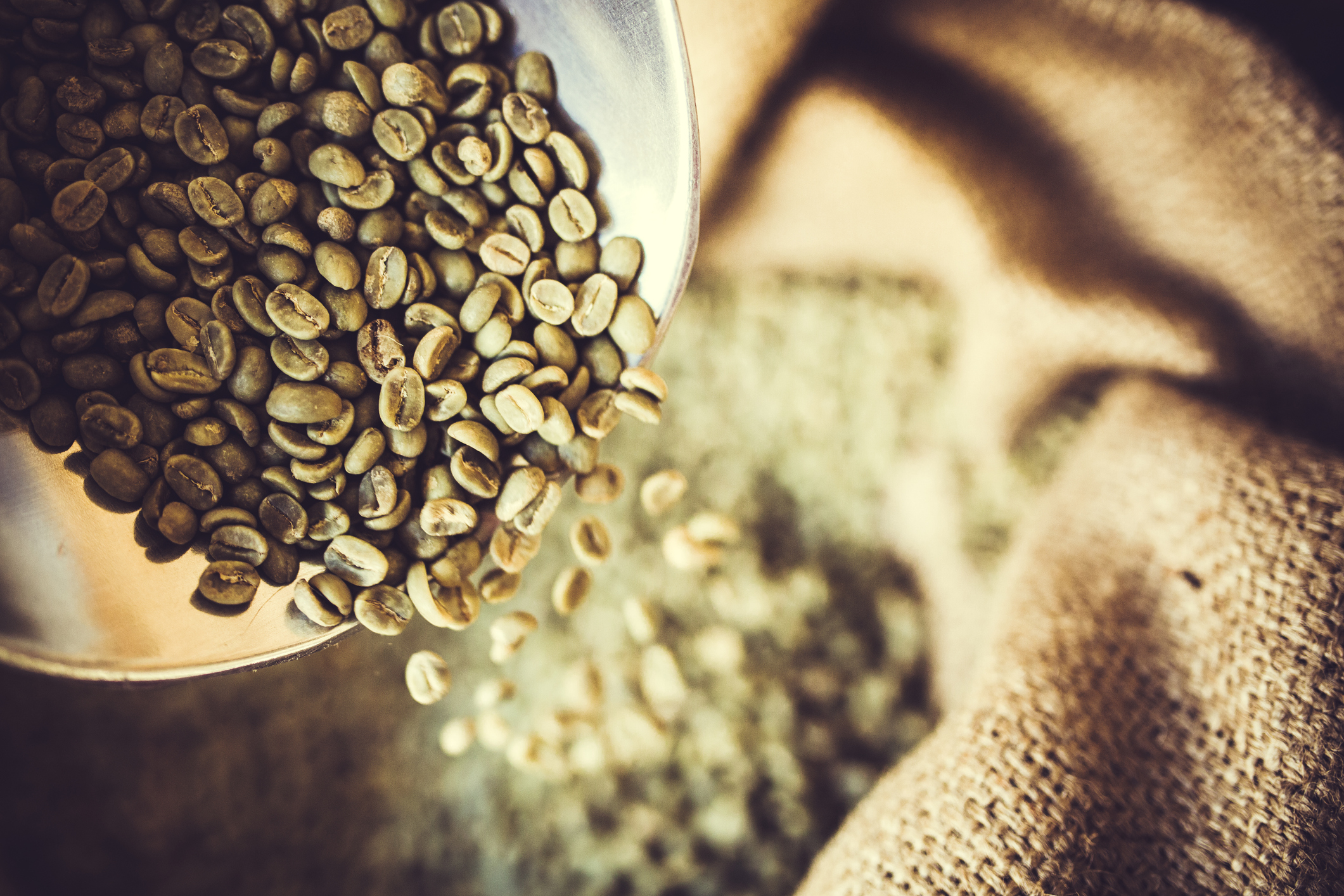
Coffee defects are physical and sensory problems that reduce a lot's quality and can disqualify it from specialty status. Physical defects — black beans, sour beans, insect-damaged beans, broken fragments, foreign matter — are counted in a standardized examination of a 350-gram green coffee sample. The SCA specialty standard allows no primary defects and a maximum of five secondary defects in that sample.
Sensory defects are identified during cupping. Phenolic notes, ferment, mold, musty character, earth, and other off-flavors each deduct points and can push a coffee below the specialty threshold regardless of its other qualities. A single cup with a sensory defect in a five-cup sample is enough to count against the score meaningfully; multiple defective cups can disqualify a lot entirely.
The defect examination is part of what makes specialty certification meaningful. It ensures that specialty coffee is not only highly scored for positive attributes but also substantially free of the problems that characterize lower-grade coffee. Café de Volcán considers the defect standards one of the honest disciplines of specialty coffee — a floor that every qualifying coffee has to clear before it can be sold under the specialty banner.