
Panama City
Costa del Este: Panama's Planned Business District
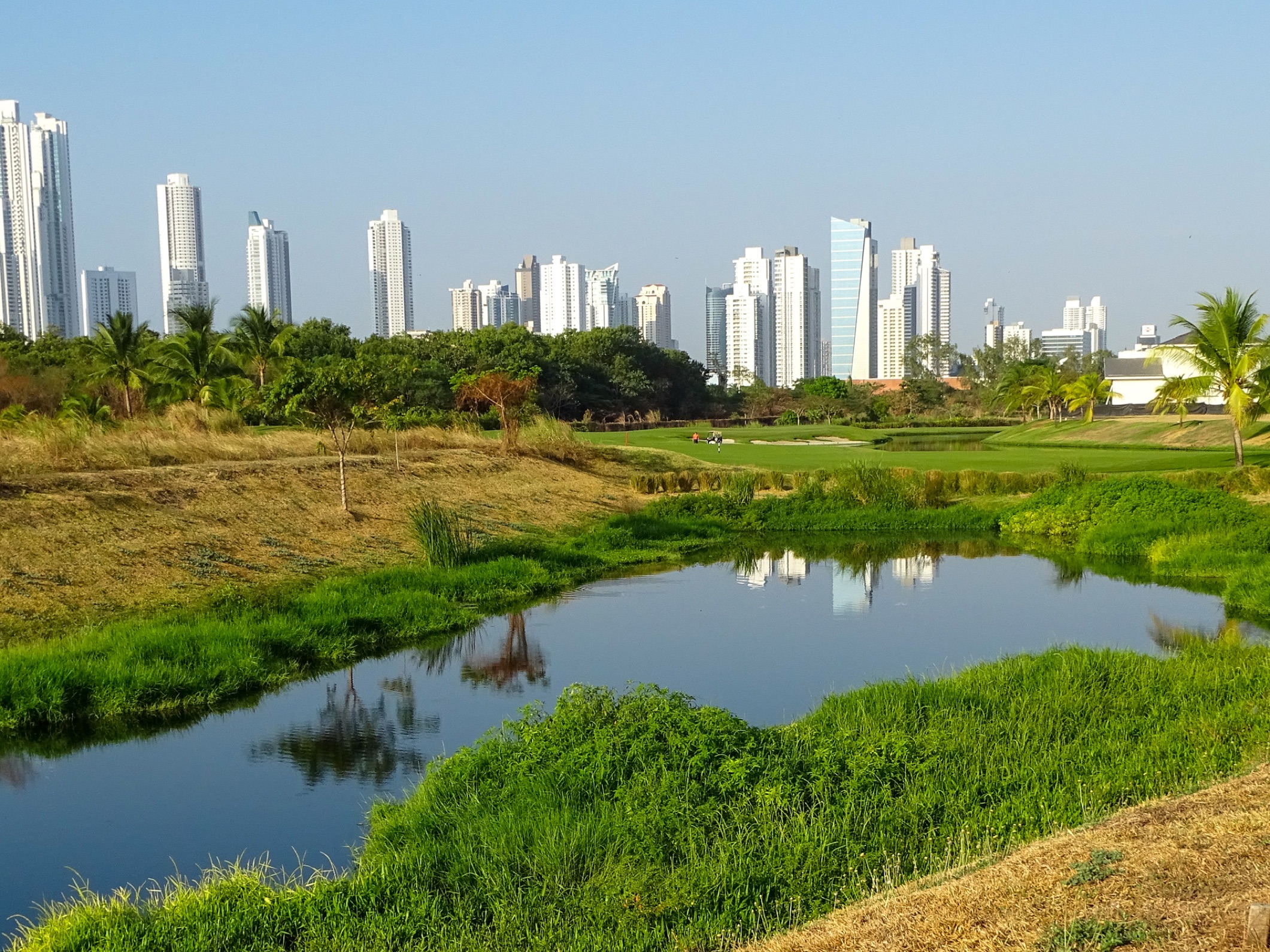
Costa del Este is one of Latin America's clearest examples of master-planned urban development. Built on reclaimed land along the Pacific coast east of historic Panama City, the district transformed former tidal flats into one of Central America's most prestigious commercial and residential addresses.
The land itself reflects Panama's infrastructure story. Over decades, material from canal-related dredging, expansion, and shoreline development helped create new terrain above the high tide line. By the late 1990s, the area was ready for deliberate urban planning, and Costa del Este was established as a community designed from the ground up rather than shaped by unplanned growth.
That planning is what makes Costa del Este feel different from older parts of Panama City. Wide boulevards, underground utilities, modern drainage, organized zoning, green spaces, and waterfront promenades were part of the original vision. Instead of adding infrastructure after development, the district was built around infrastructure from the beginning.
Costa del Este has become a preferred headquarters location for companies operating across Latin America. Copa Airlines, Panama's flagship carrier, has its corporate headquarters here. Major banks including Banco General and Banistmo, along with logistics, technology, pharmaceutical, and consulting firms, have also established important offices in the district. For many companies, Costa del Este functions as a regional executive base connecting Panama to the wider hemisphere.
Location is a major part of that appeal. The district sits between central Panama City and Tocumen International Airport, giving executives quick access to one of Latin America's most important air hubs. That airport connection matters in a country whose economy depends on movement, logistics, finance, and regional coordination.
Residential towers, gated communities, schools, clinics, restaurants, retail centers, parks, and waterfront paths have grown alongside the business district. The result is a self-contained urban environment where many residents can live, work, and handle daily life within the same planned area.
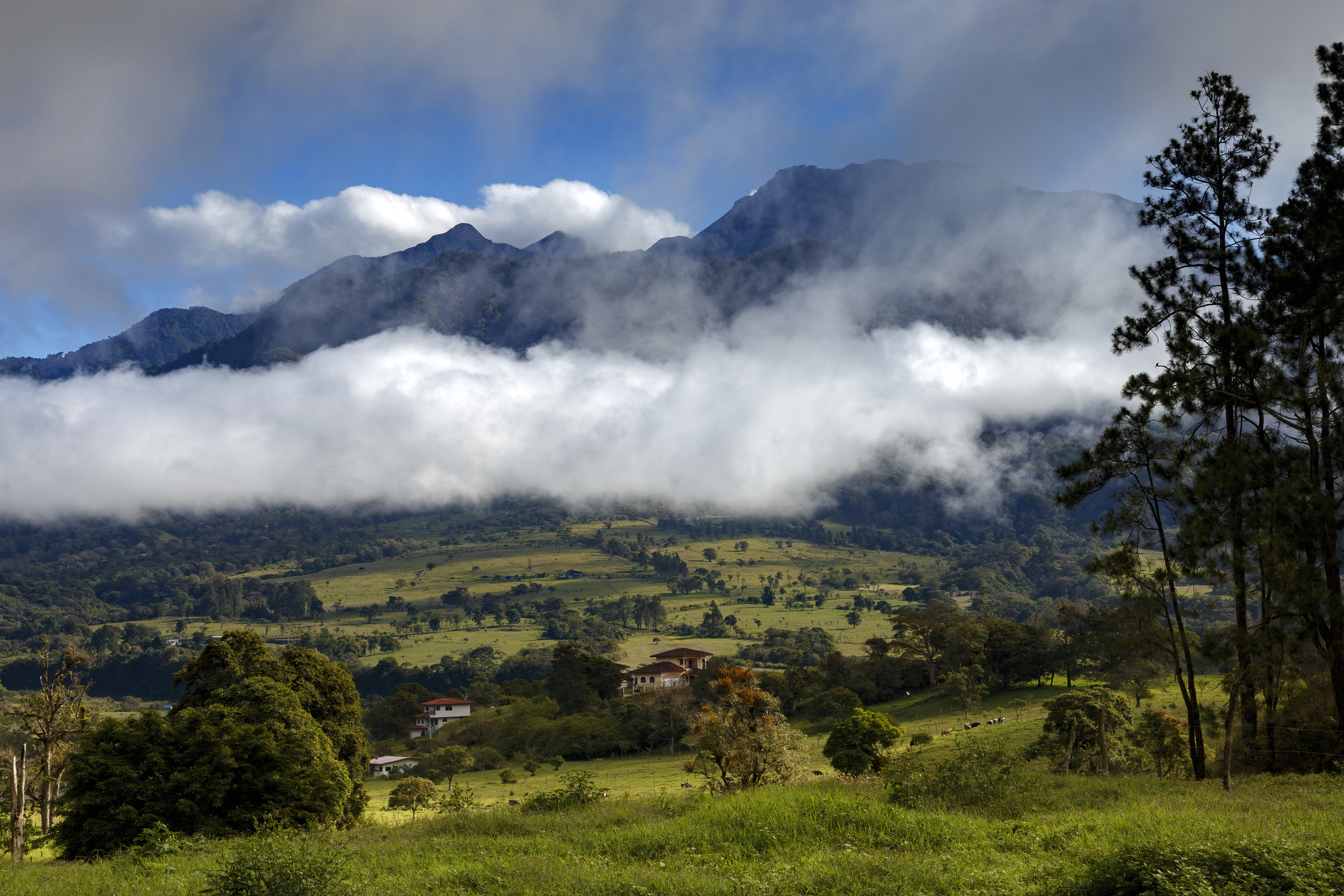
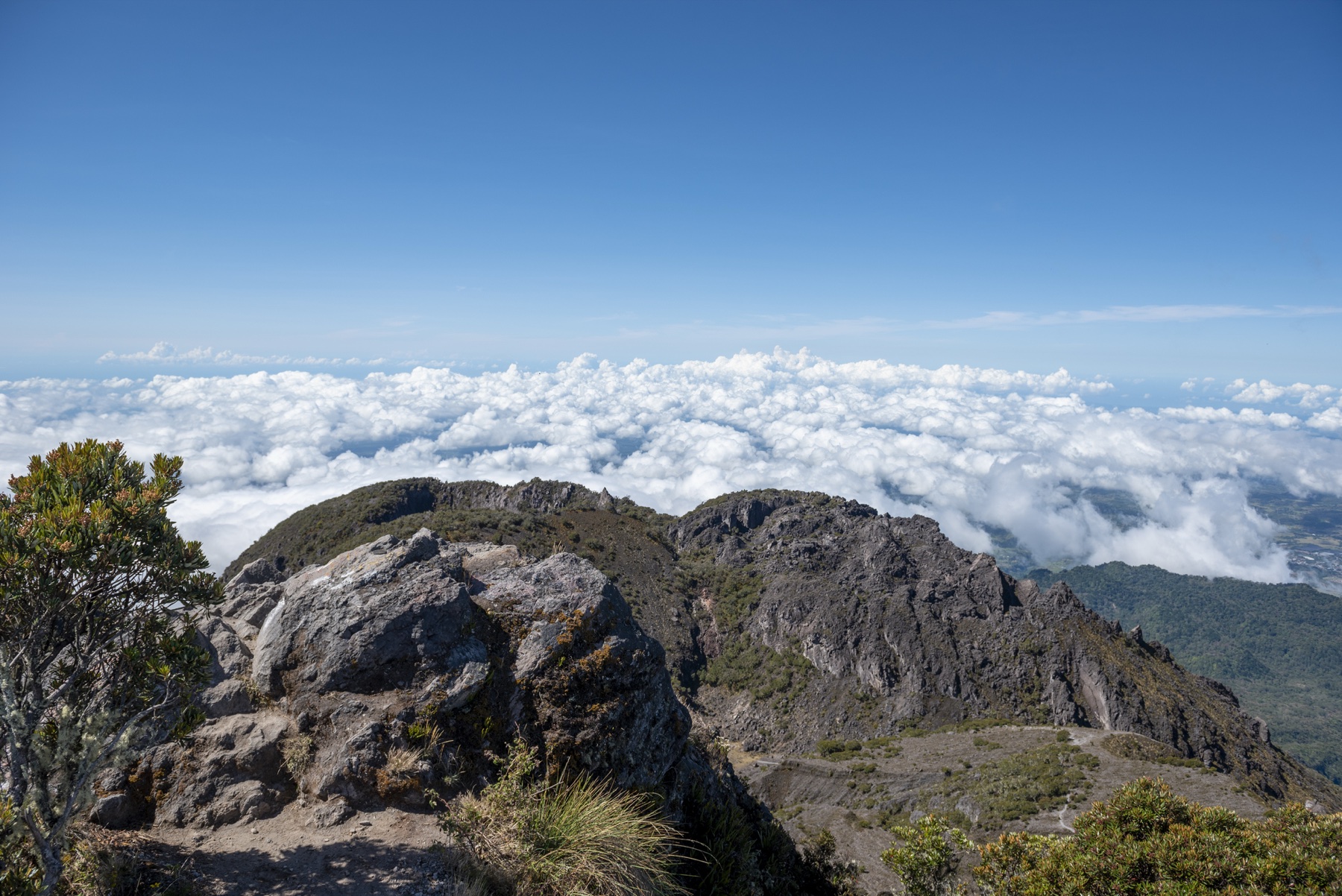
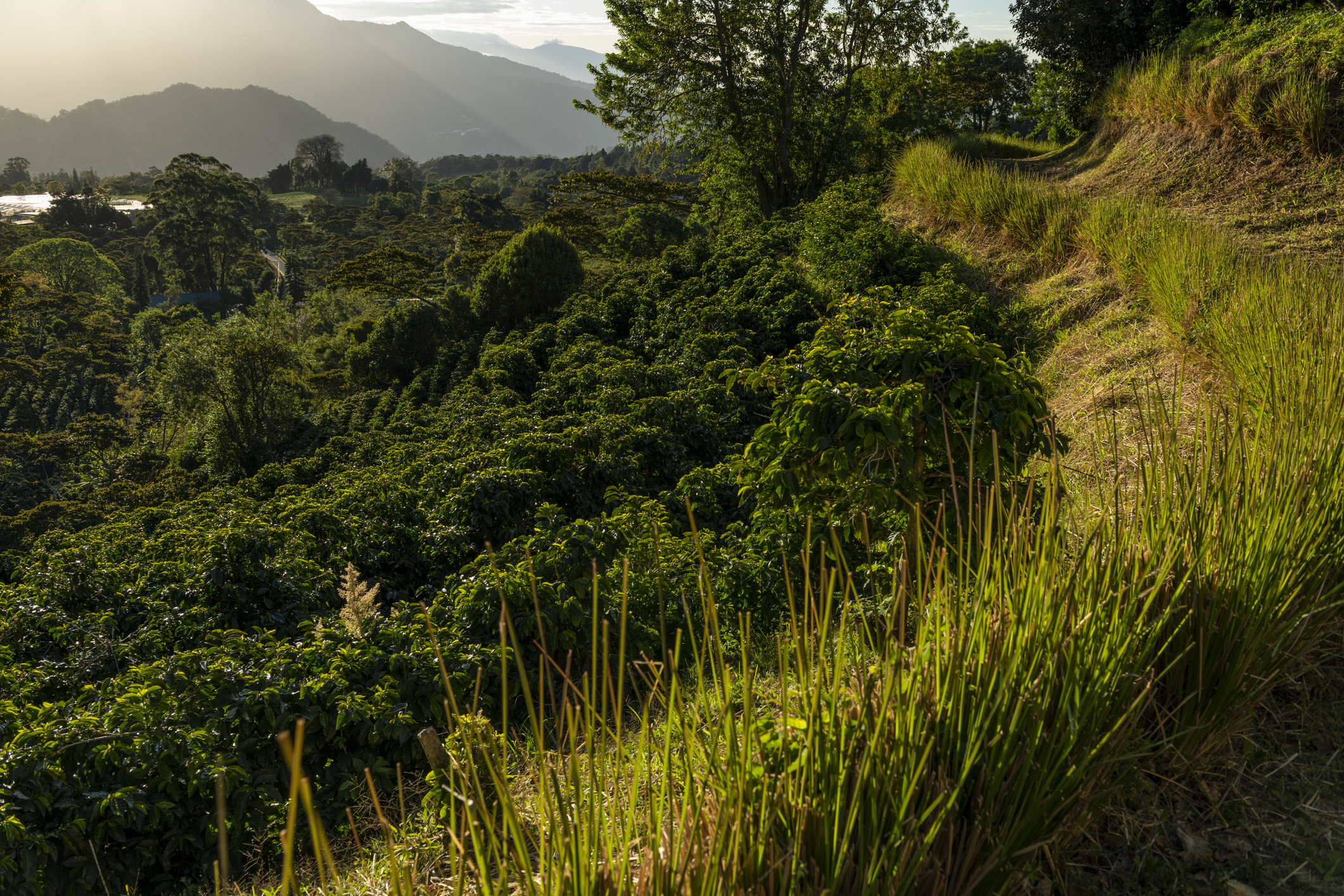
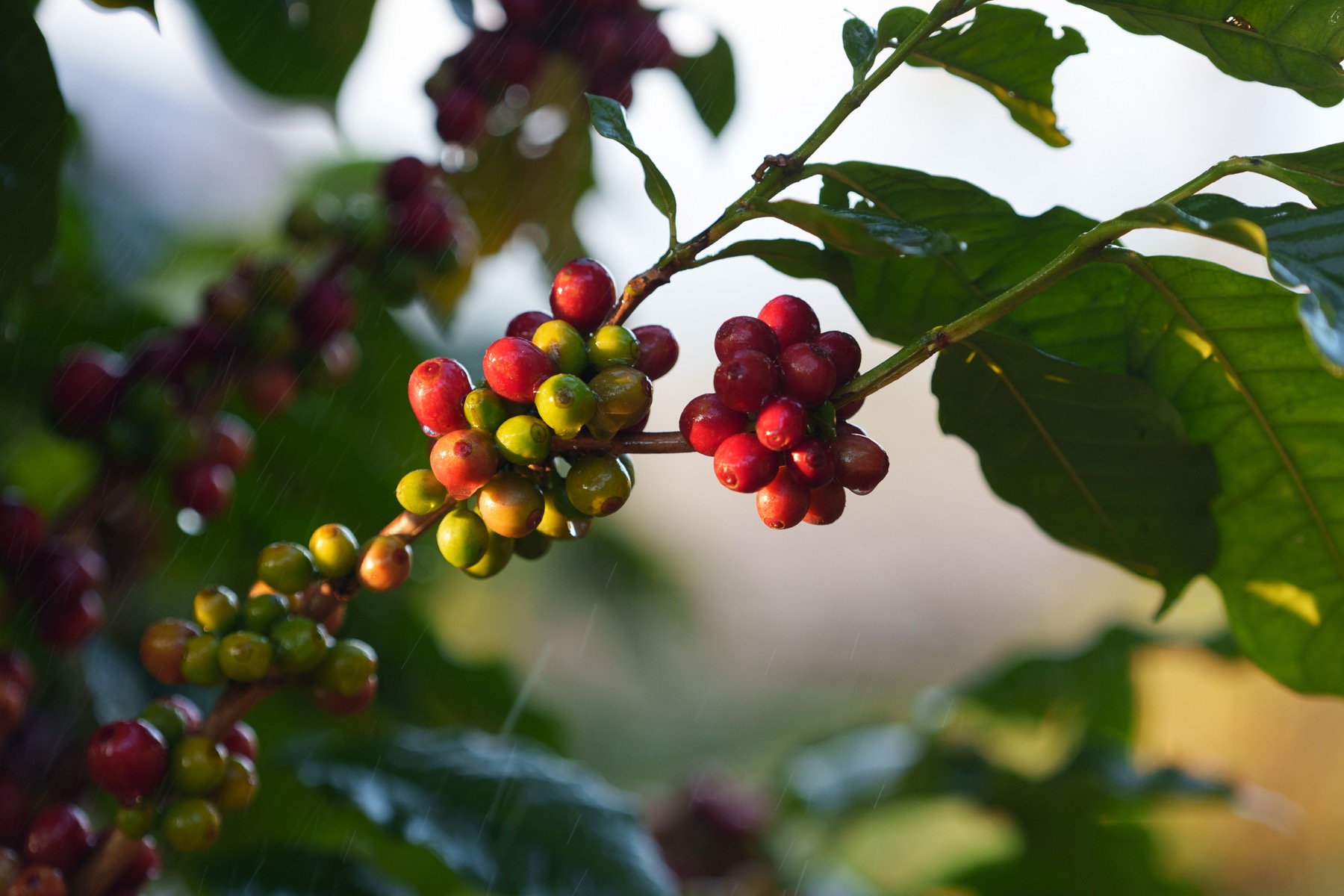
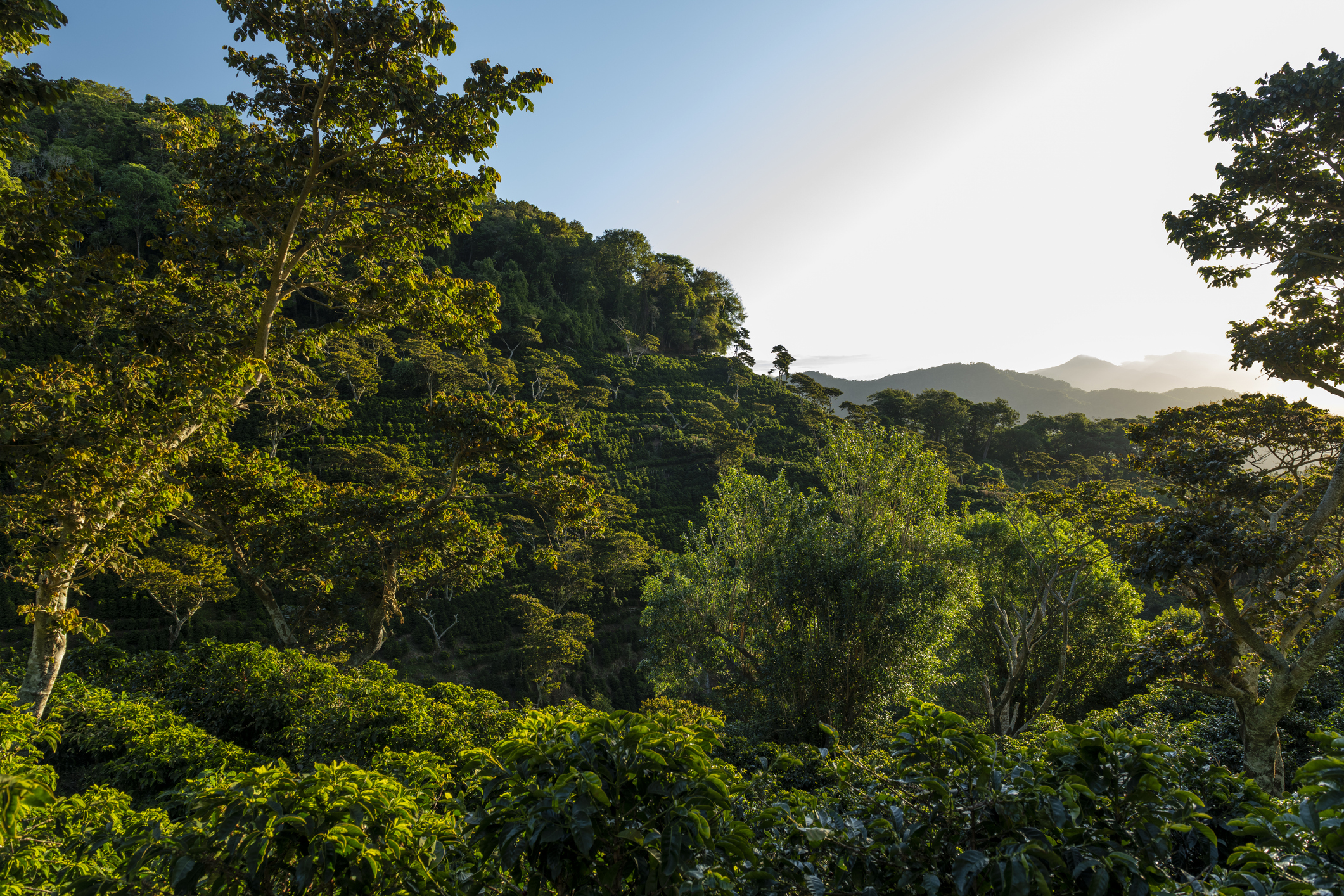
Café de Volcán and its parent company Valturás are based in Costa del Este, placing the brand at the meeting point of two Panamas: the volcanic highlands where specialty coffee grows, and the modern commercial infrastructure that connects Panamanian production to the world. Panama is not only the origin of the cup. It is also the bridge that helps carry that cup outward.