
Coffee Texture
Coffee Body, Explained
Body is the physical feeling of coffee on the palate. It is not flavor exactly; it is texture, weight, and presence. A light-bodied coffee may feel delicate, tea-like, and transparent. A fuller-bodied coffee may feel round, creamy, syrupy, or structured.
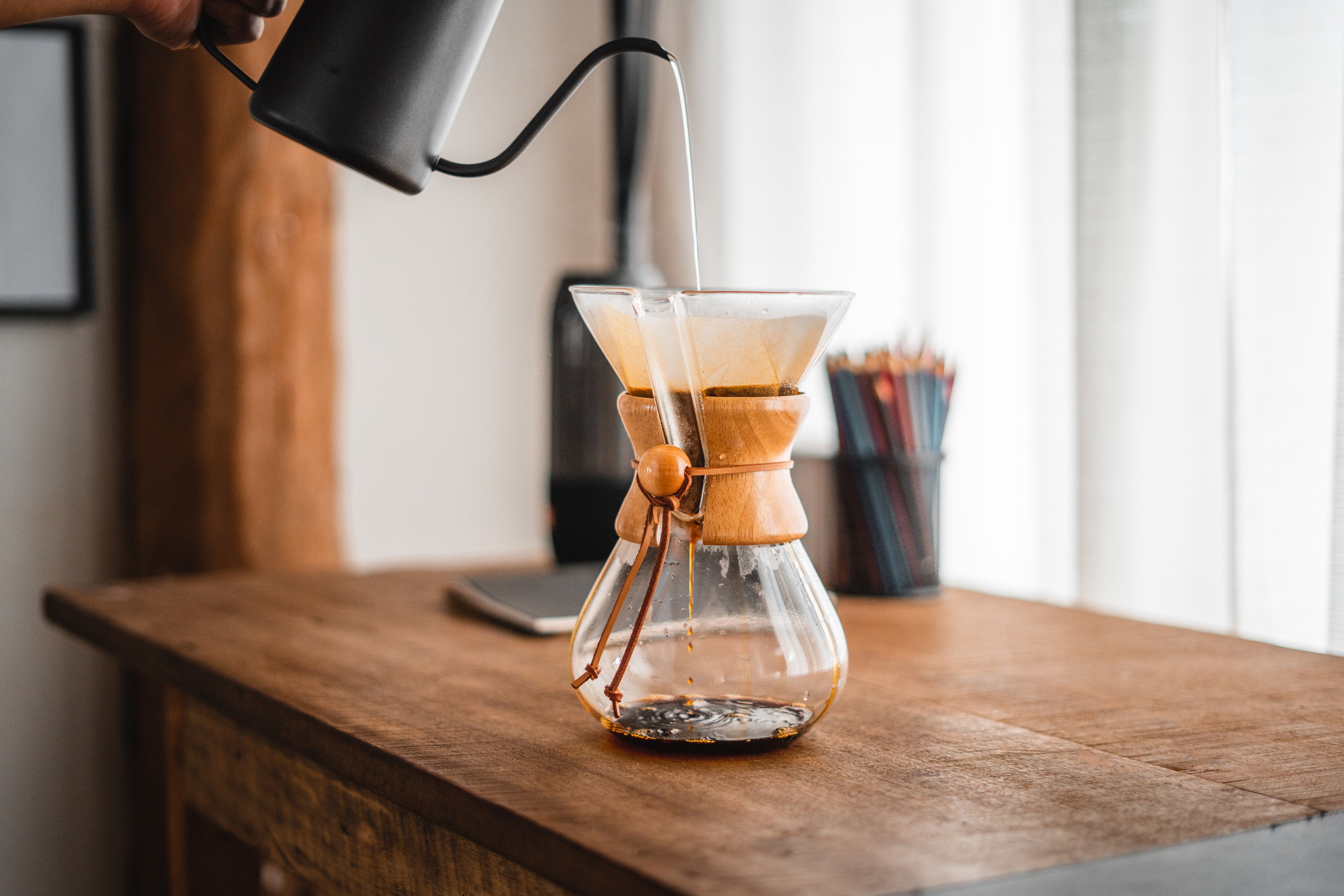
Different brewing methods develop body in different ways. Paper-filtered pour-over often produces a cleaner, lighter cup because the filter holds back more oils and fine particles. French press, metal filters, moka pot, and espresso usually create more body because more oils, suspended solids, or pressure-driven concentration make it into the cup. Immersion methods can also feel rounder because the coffee and water spend more time together.
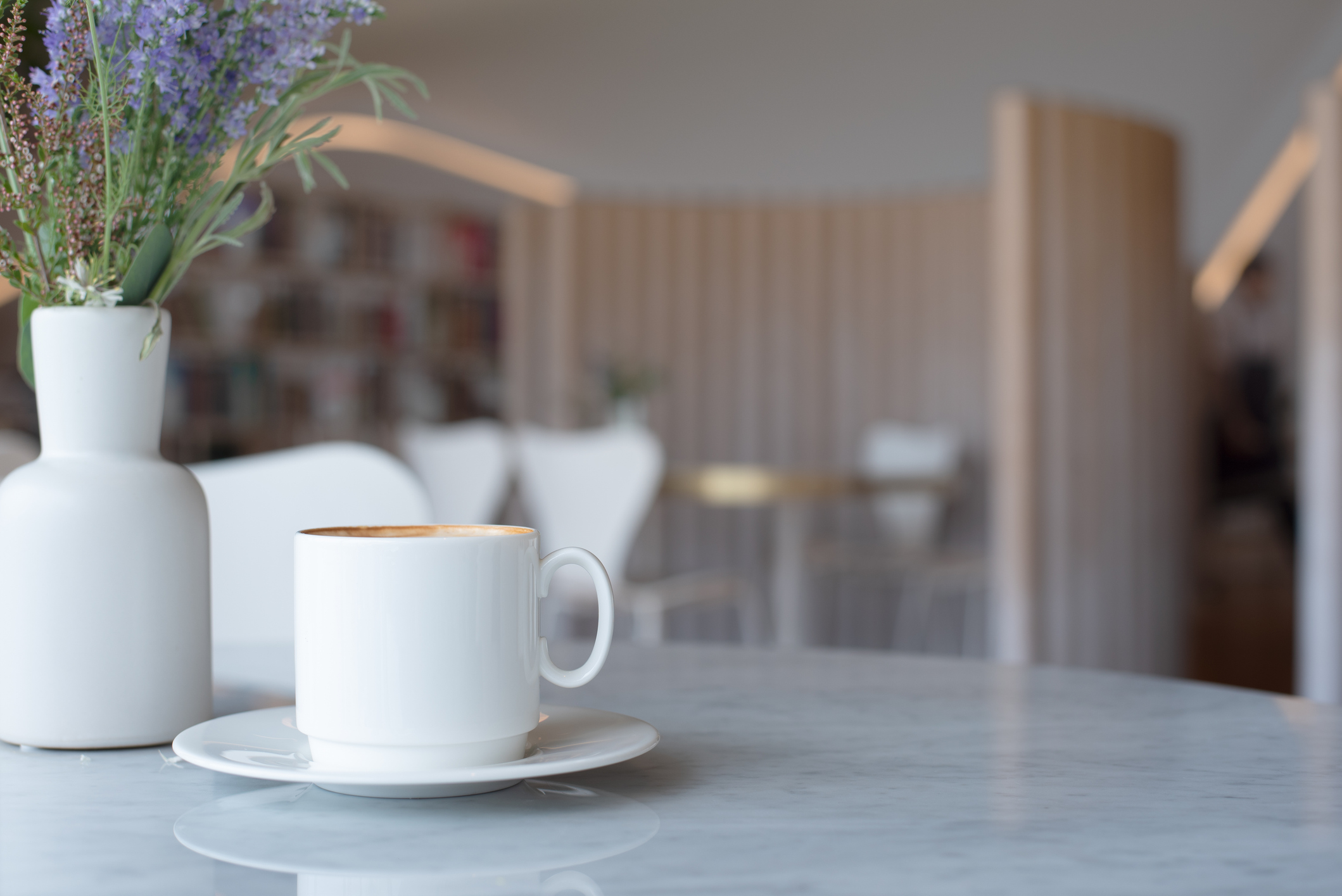
Body can be enjoyed on its own, but it also changes how coffee pairs with texture. A fuller-bodied coffee can feel beautiful with milk, cream, custard, buttery pastry, or other creamy accompaniments because the coffee has enough presence to meet richness without disappearing. A lighter-bodied coffee may be better when you want clarity, florality, or tea-like elegance.
Body does not mean more caffeine. A heavy-feeling coffee is not automatically stronger in caffeine, and a light-bodied coffee is not automatically weaker. Caffeine depends on factors like dose, coffee species, brew ratio, extraction, and serving size. Texture and caffeine are related only indirectly.
Body also does not require harsh roasting. Dark roasting can create a heavier impression through roast oils, bitterness, smoke, and lower perceived acidity, but harshness is not the same as good body. The best body feels integrated: it supports sweetness, aroma, and finish without making the cup taste burnt, flat, or aggressive.