
Daily Routine
Coffee and Food Pairing: A Framework That Actually Works
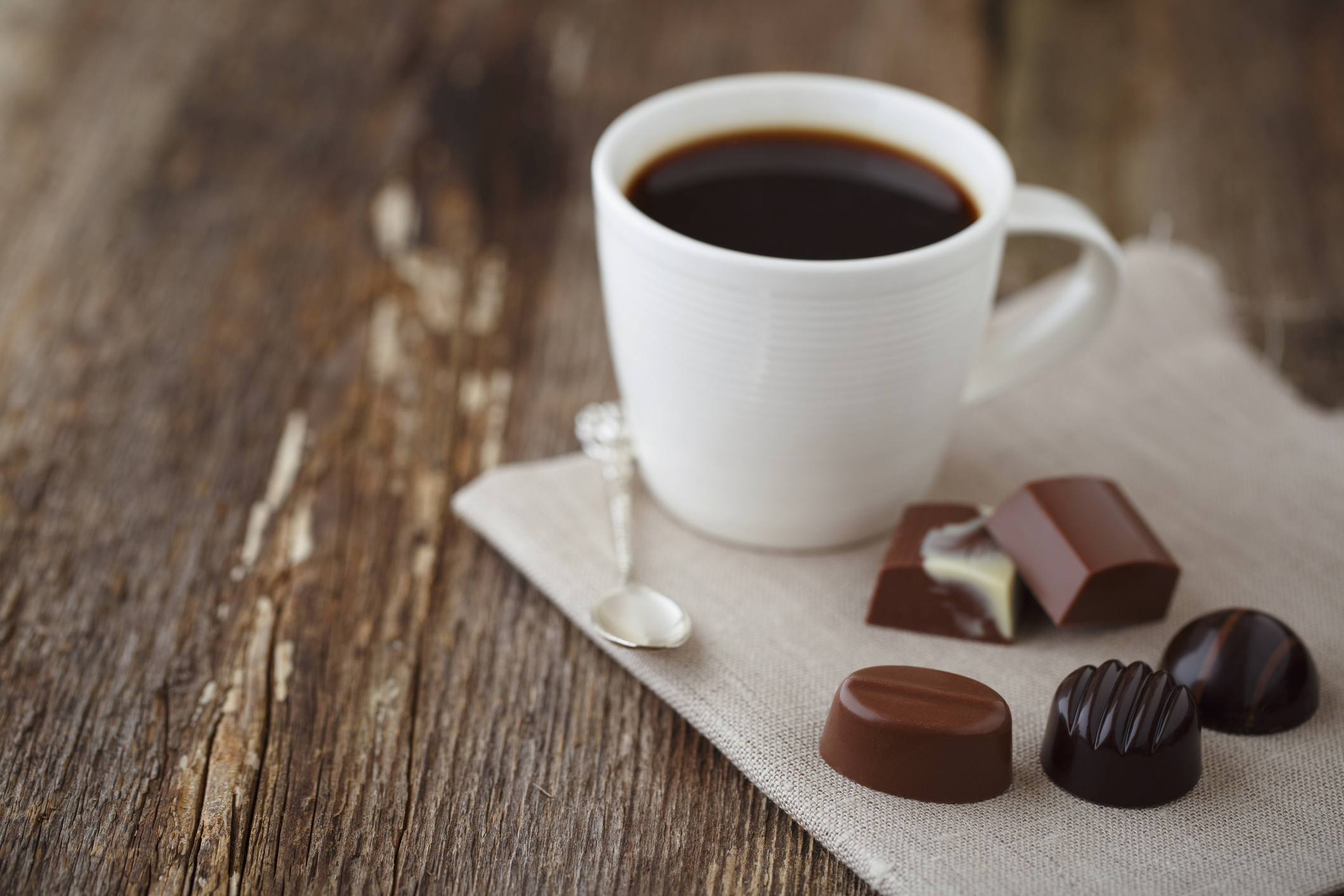
Coffee pairs with food along three main dimensions: complement, contrast, and intensity-matching. Complementary pairings find food whose flavors echo notes already present in the coffee — chocolate with a chocolatey coffee, stone fruit pastries with a fruity Geisha, cinnamon rolls with a warmly-spiced blend. Contrasting pairings set one flavor against another — bright acidity cutting through rich pastry, bitter chocolate balancing sweeter coffee. Intensity-matching ensures that neither element overwhelms the other.
For lighter roasts with bright acidity and delicate aromatics, lighter foods pair best — fresh fruit, light pastries, simple breakfast items, mild cheeses. Heavier foods tend to overwhelm the delicate character of lighter coffees. For medium roasts with balanced body, a wider range of foods works, from eggs and breakfast meats to heartier pastries and chocolate desserts. For darker roasts with fuller body and richer flavor, richer foods like chocolate, dense pastries, and caramel-forward desserts align well.
Cultural traditions offer their own guidance. The Italian coffee break pairs espresso with a small sweet; the French cafe pairs coffee with bread and jam; the Latin American almuerzo pairs coffee with pastries or fresh cheese. Café de Volcán considers food pairing one of the small pleasures of coffee drinking — a way of expanding the cup into the larger meal without overcomplicating either.