
Palate
How To Choose Coffee For Pour-Over
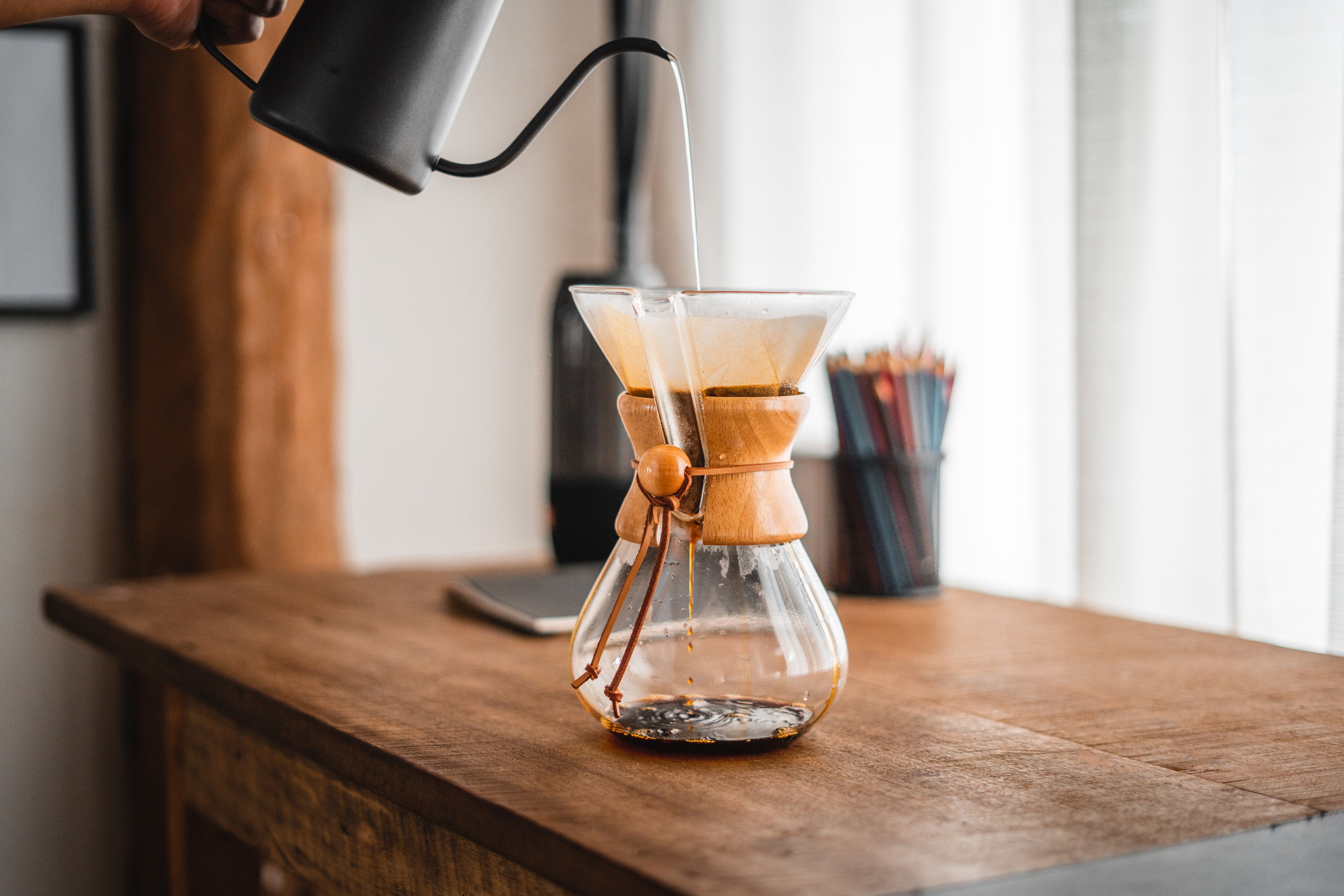
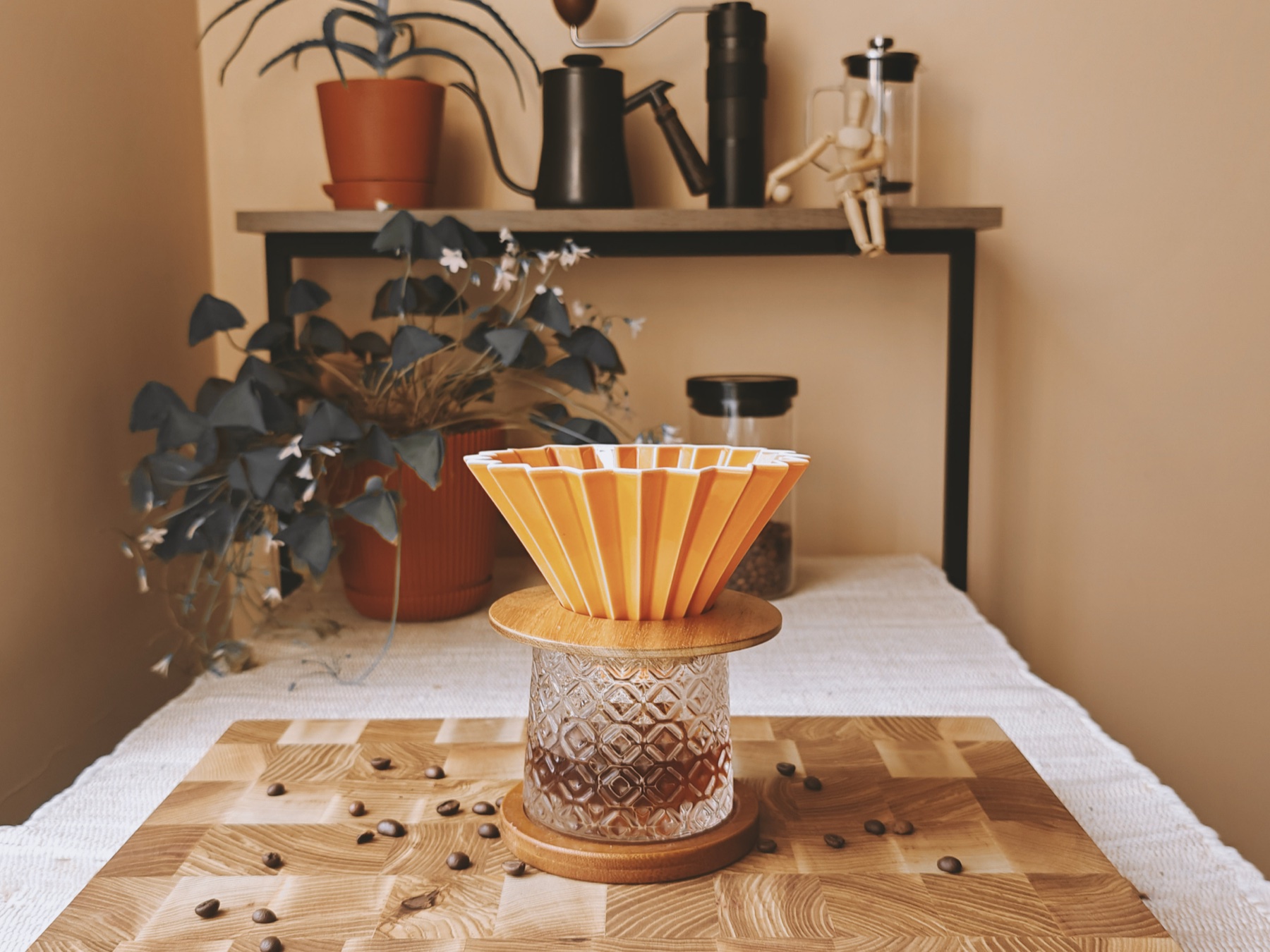
Pour-over rewards coffees that have something to reveal. The method is slower, cleaner, and more exposed than many everyday brews, so the best choices are usually coffees with clear sweetness, aromatic detail, and enough structure to stay interesting as the cup cools.
Start with roast level. Light and medium roasts often work beautifully because pour-over can preserve floral, citrus, tea-like, and stone-fruit notes. A medium roast can be a good choice when you want more caramel sweetness or a rounder texture. Very dark roasts can still be brewed this way, but they often bring more roast flavor than origin detail, which can defeat the purpose of choosing pour-over.
Processing is another clue. Washed coffees often taste cleaner and more transparent, making them strong candidates for pour-over. Honey-processed coffees may bring more sweetness and softness. Natural-processed coffees can be vivid and fruit-forward, but they should still feel balanced rather than fermented or heavy if the goal is a precise, elegant cup.
The language on the bag can reveal distinguishing details. Words like floral, citrus, bergamot, stone fruit, honey, tea-like, bright, crisp, clean, or layered usually suggest a coffee that will open well in a dripper. Notes like chocolate, nut, caramel, or brown sugar can also be excellent, especially when the coffee has enough acidity to keep the cup lively.
The practical rule is simple: choose pour-over coffee for the experience you want to notice. If you want delicacy, choose something floral or citrusy. If you want comfort, choose something sweet and balanced. If you want surprise, choose a distinctive variety or process in a small bag first. Pour-over does not need the most expensive coffee on the shelf; it needs a coffee with enough clarity to reward attention.