
Panama City
Cerro Ancón: The Hill Above Panama City
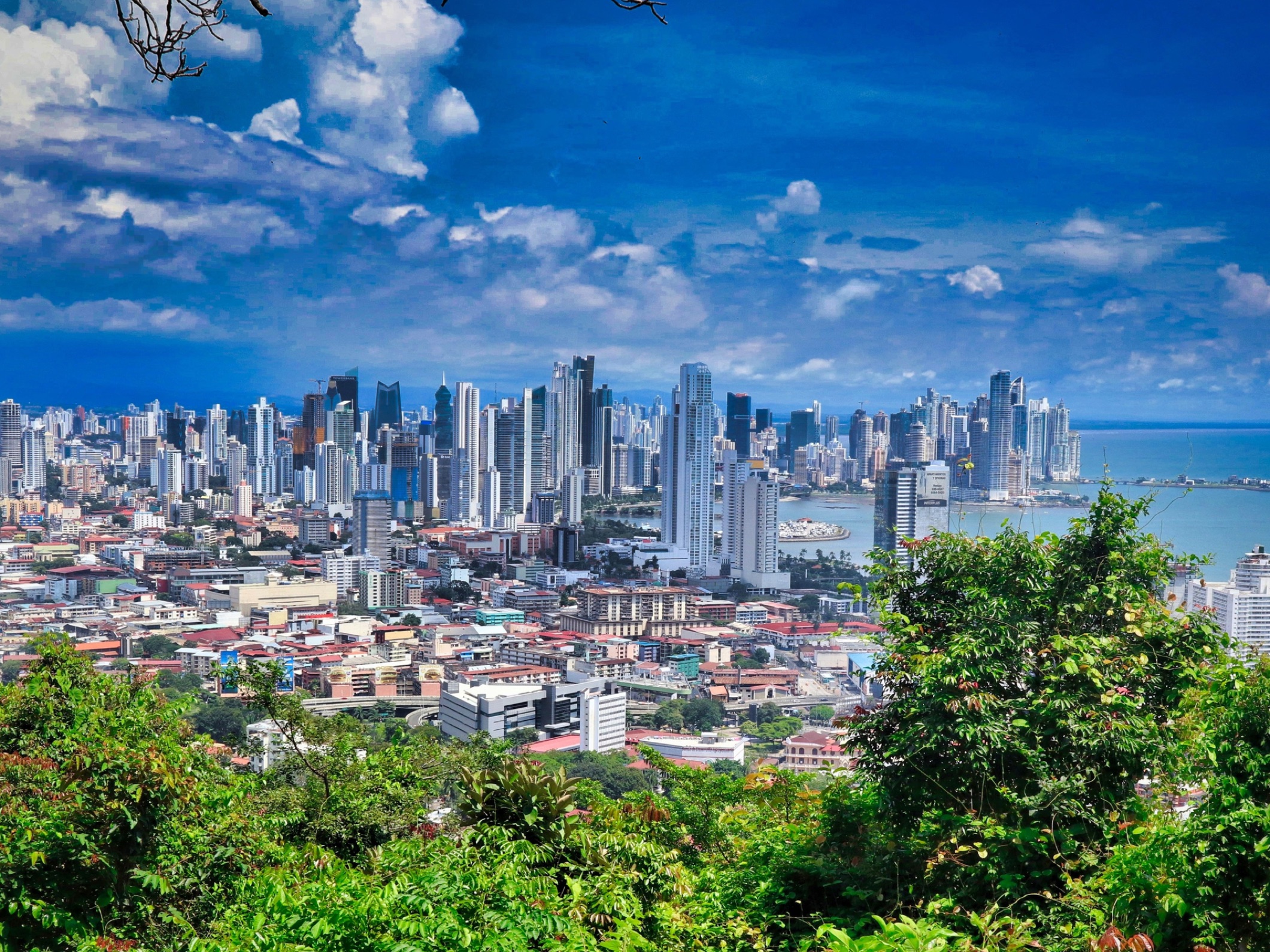
Cerro Ancón is the tall hill rising directly above downtown Panama City, offering some of the best panoramic views available anywhere in the country. The summit reaches 199 meters above sea level, which is modest by mountain standards but produces dramatic perspectives because the hill sits immediately adjacent to the city, the Panama Canal entrance, and Panama Bay. From the top, visitors see the modern Panama City skyline, Casco Viejo's colonial district, the Bridge of the Americas spanning the canal, ships waiting to enter the locks, and on clear days the surrounding countryside extending toward the interior.
The Panamanian flag flying at the summit holds particular national significance. The flag is one of the largest flown anywhere in Panama, visible from much of Panama City and serving as a symbol of national sovereignty. Panamanians often visit the summit specifically to see the flag and to experience the location that has become a powerful symbol of the country. The view of Panama City from beneath the flag carries layered meaning that combines the practical pleasure of the panorama with the historical weight of the location.
The hike to the summit is short and accessible. A paved road winds up the hill, allowing both vehicle access and walking. Most visitors walk rather than drive because the climb is part of the experience and the road's switchbacks offer changing views throughout the ascent. The walk takes roughly 20 to 30 minutes from the base, depending on pace and stops to enjoy views along the way. The route is well-maintained with shaded sections that provide relief from the tropical heat.
Wildlife sightings along the route are common. Sloths are frequently visible in the trees lining the road. Tropical birds including toucans, parrots, and various smaller species inhabit the hill's vegetation. Geoffroy's tamarins (the small primate found only in Panama and a small portion of Colombia) are sometimes seen along the route. The combination of urban-adjacent location and intact vegetation produces wildlife encounters that surprise visitors who expect the urban setting to preclude animal sightings.
The summit itself is modestly developed with paths around the flag, viewing areas oriented in different directions, and limited facilities. The lack of significant commercial development at the top preserves the experience as primarily about the views and the symbolism rather than as a tourist attraction with associated infrastructure.