
Culture
Casco Viejo And The Rhythm Of Panama City
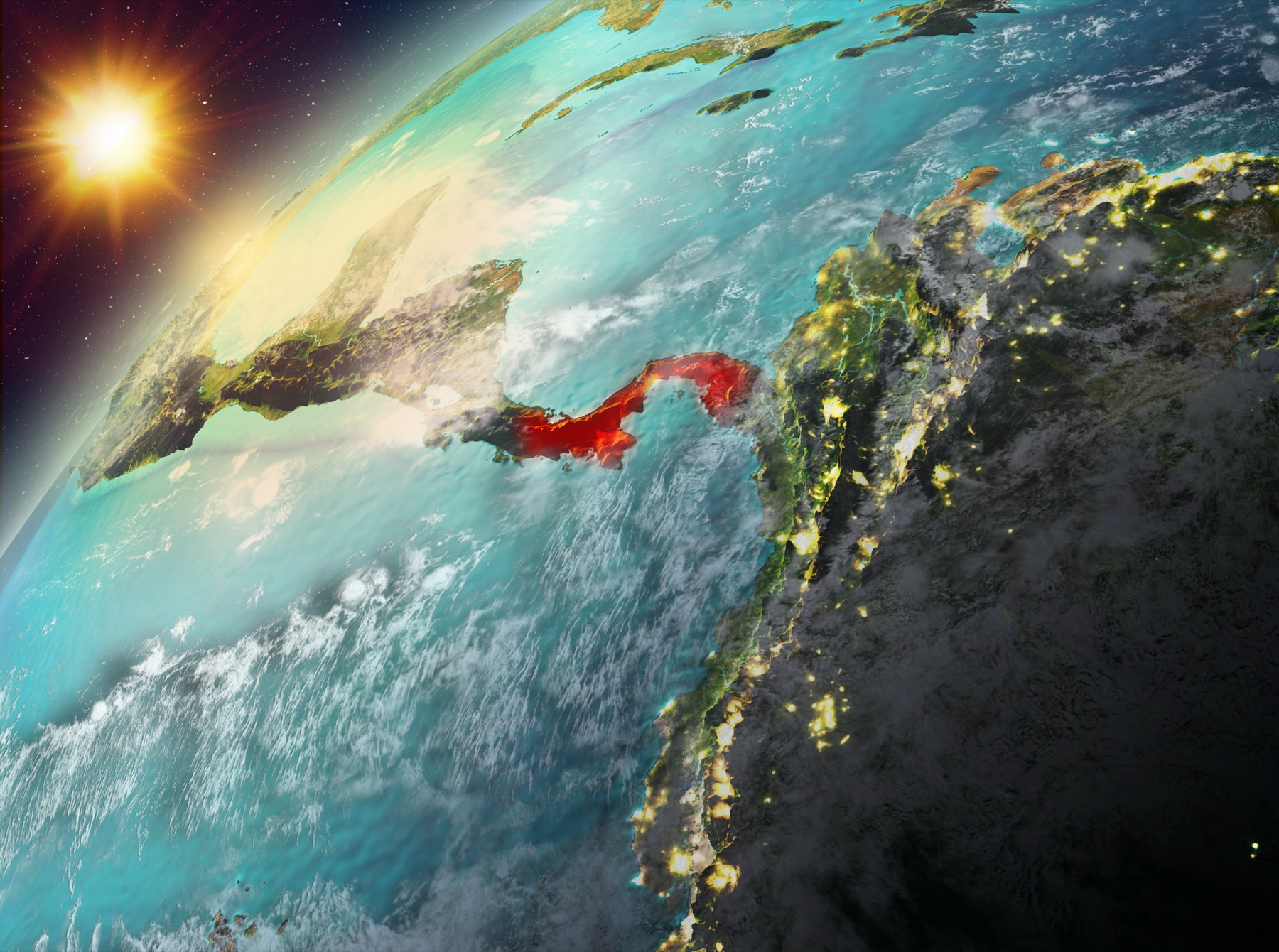
Casco Viejo feels old because it is old, but its history begins with an even older city. The first Panama City, now known as Panamá Viejo, was founded in 1519 and later destroyed after Henry Morgan's attack in 1671. Rather than rebuild on the same exposed site, the city was transferred in 1673 to a more defensible peninsula. That "new" city is the place now called Casco Viejo or Casco Antiguo.
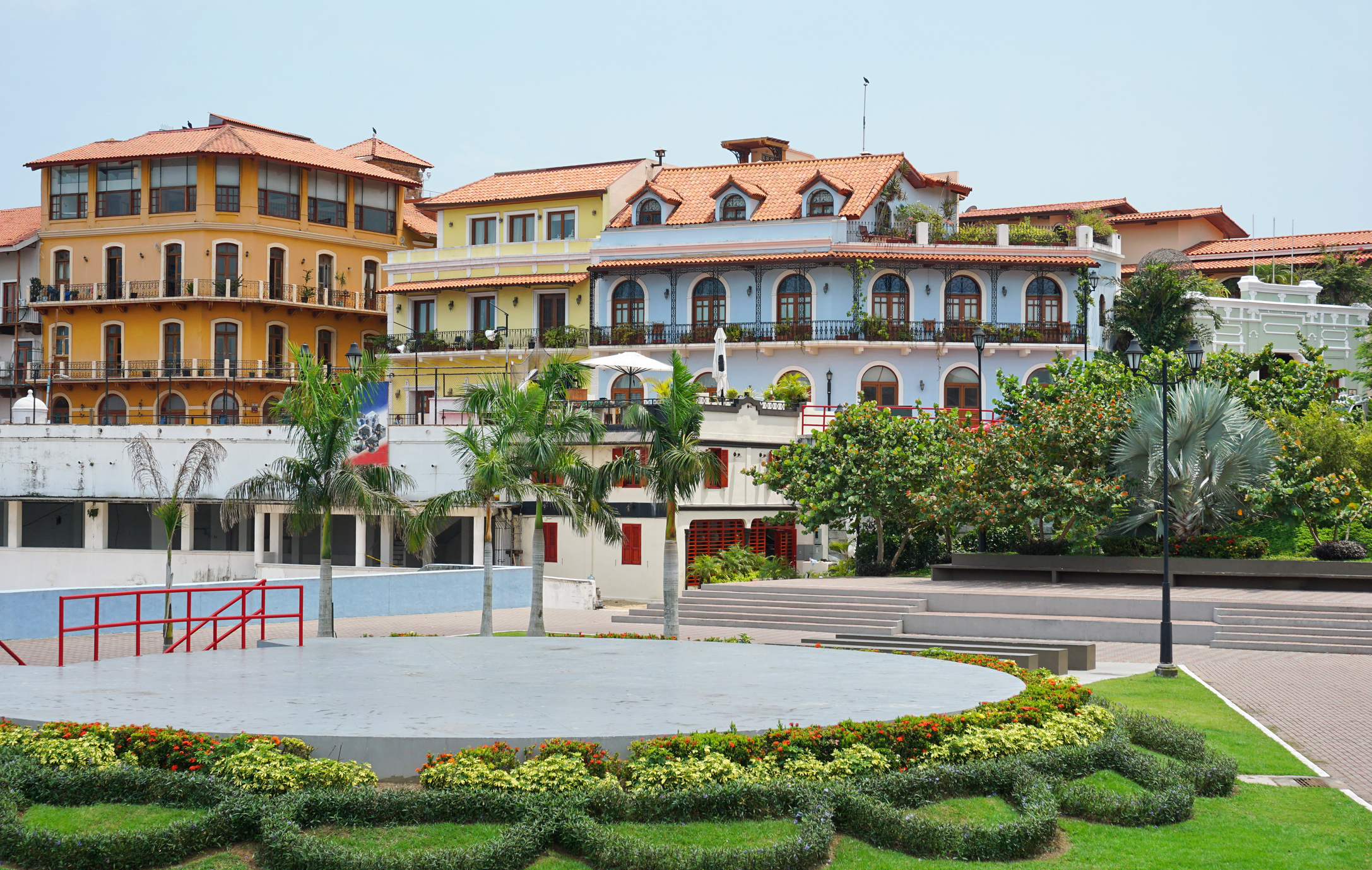
That makes Casco Viejo more than a pretty historic quarter. It is the second life of Panama City, and it is older than many famous cities in the United States, including Philadelphia, New Orleans, Savannah, and Washington, D.C. Its streets hold the logic of another era: narrow passages, plazas, churches, balconies, thick walls, sea views, and architecture shaped by Spanish, French, Caribbean, and Panamanian influence.
In recent decades, Casco Viejo has gone through a remarkable rejuvenation. Restored buildings now hold boutique hotels, rooftop terraces, cocktail bars, galleries, cafés, and some of Panama's most celebrated restaurants. The neighborhood has become one of the city's great hospitality districts: polished enough for world-class dining, but still layered with old stone, open windows, music, and street-level life.
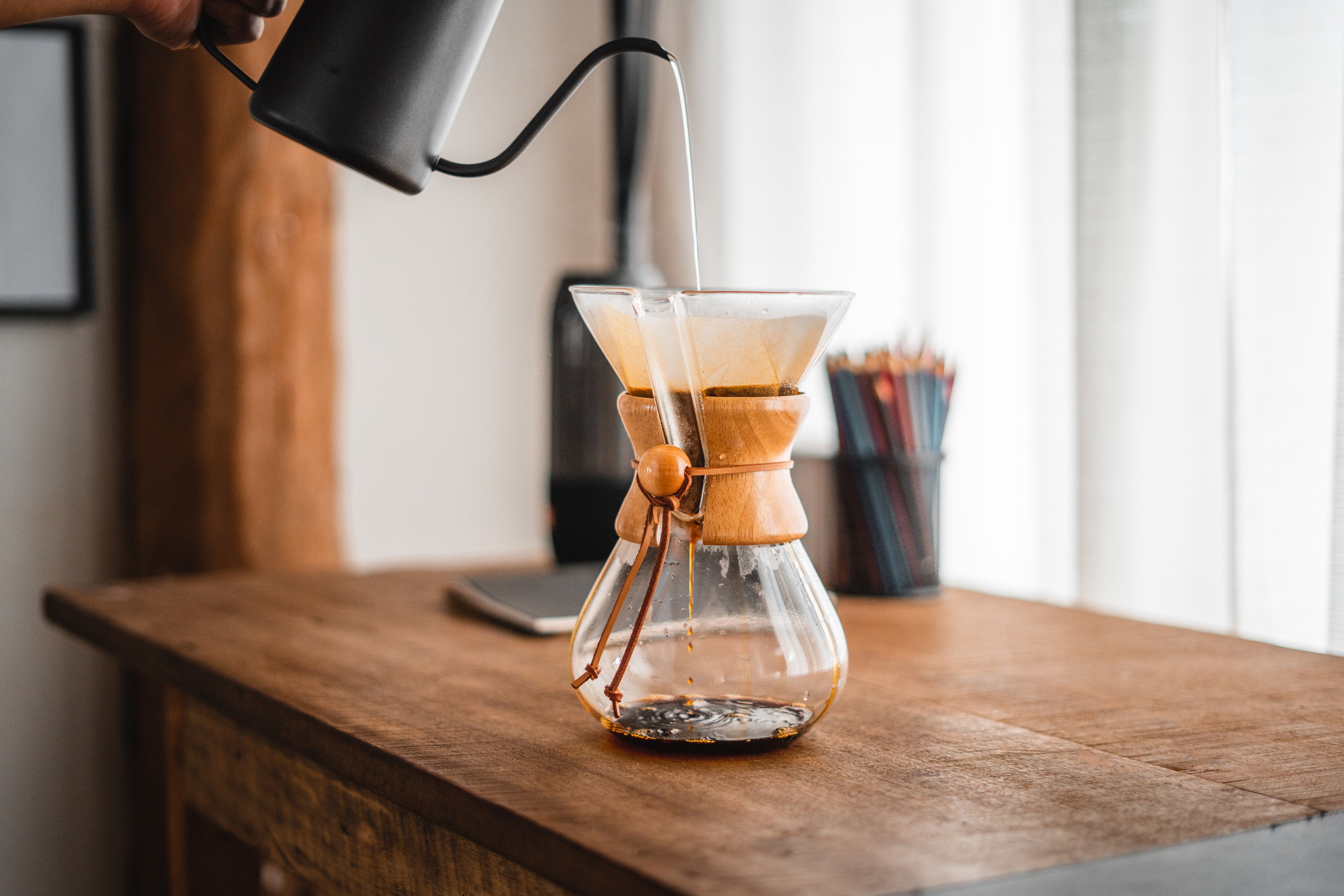
That contrast is part of its rhythm. A visitor can walk past a church older than many modern nations, then sit down to a tasting menu, a late drink, or a carefully brewed cup of Panamanian coffee. Casco Viejo makes history feel usable rather than frozen. It invites you to move slowly, look upward at balconies, listen to the city, and let the old quarter reveal itself corner by corner.