
Equipment & Quality
Can You Reuse Coffee Grounds?
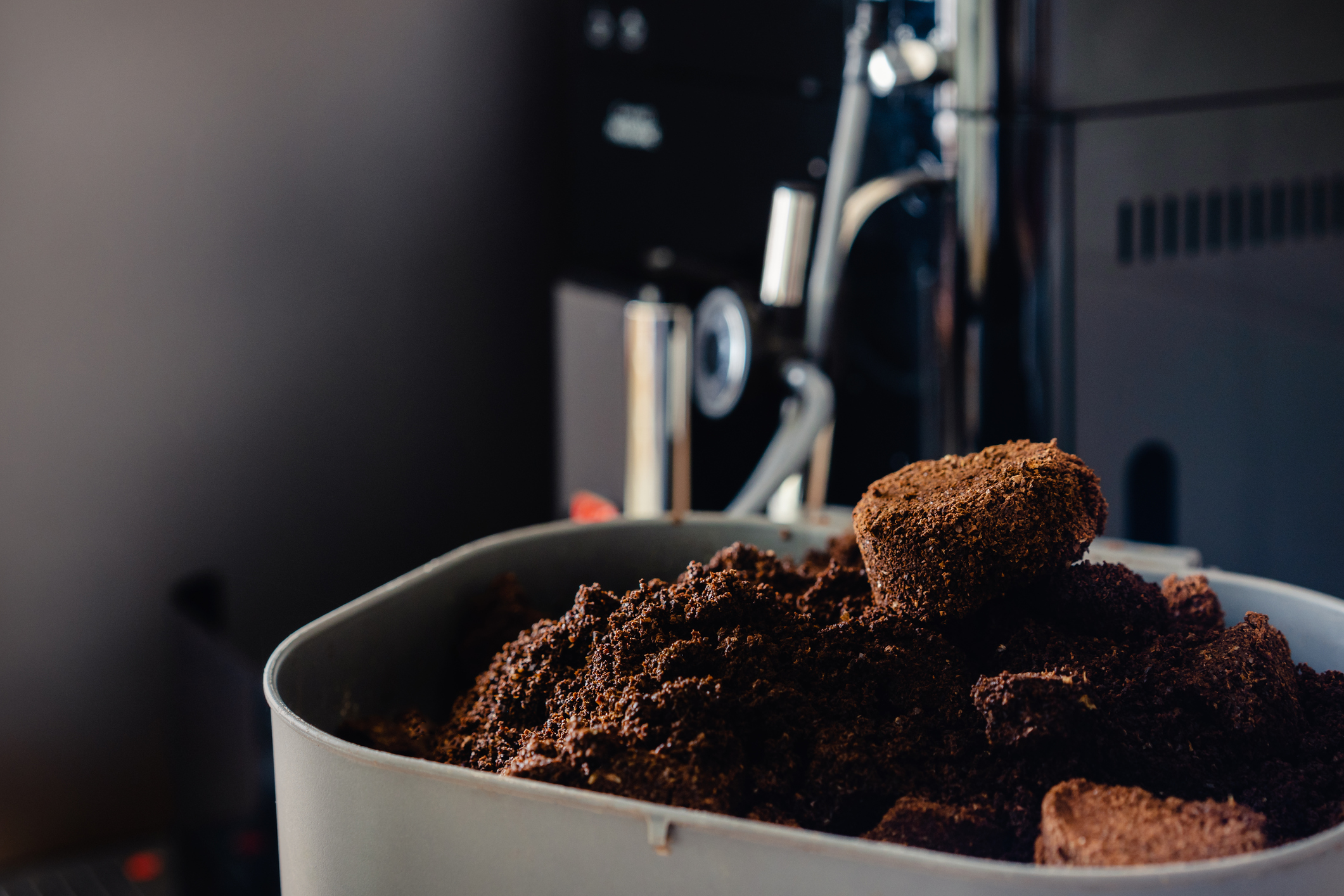
Used coffee grounds have several practical second lives beyond the cup. In the garden, coffee grounds add organic matter and modest nitrogen to soil when worked in or composted. They are not the acidic soil amendment sometimes claimed — the acidity leaches away during brewing, and grounds are closer to neutral pH when they arrive in the garden — but they do contribute to soil structure and microbial life.
In the kitchen, used grounds serve as a mild abrasive for cleaning some pots and pans, and as a deodorizer when placed in small containers in the refrigerator. Their porous structure absorbs odors reasonably well, and refreshing the grounds weekly keeps the effect working. Some cooks use coffee grounds as a rub component for meats or as a flavor addition to chocolate-forward desserts.
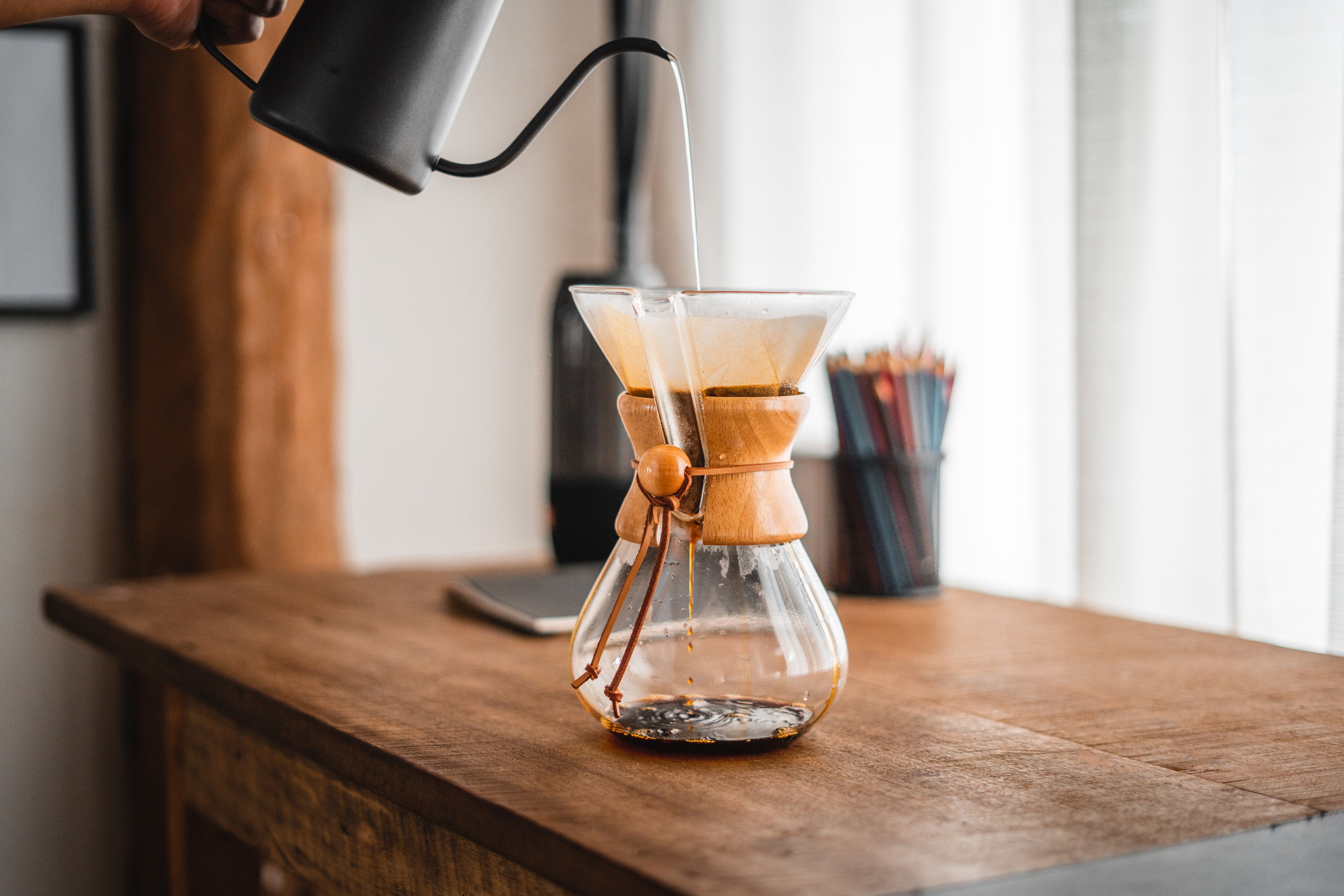
What used grounds do not do well is produce another cup of coffee. A second brew with the same grounds extracts only the remnants left behind, typically yielding a thin, bitter, uninteresting cup. Café de Volcán suggests treating the first brew as the extraction and directing used grounds toward the garden, the compost bin, or one of their other quiet second uses rather than attempting to coax another cup from what has already given its character.